
Summary
When you hear or feel a pop during a massage, it is almost always a completely normal and harmless event that simply means your body is releasing built-up tension. The sensation can come from several sources: fascial layers that were stuck together finally separating, tiny dissolved gas bubbles shifting inside soft tissue, a tight muscle suddenly letting go after sustained pressure, or gas briefly escaping from the synovial fluid that cushions your joints – a process called cavitation. Far from being a red flag, that satisfying pop is often a sign that your massage therapist is doing exactly what they should: coaxing chronically tense tissue back into a more supple, pain-free state.
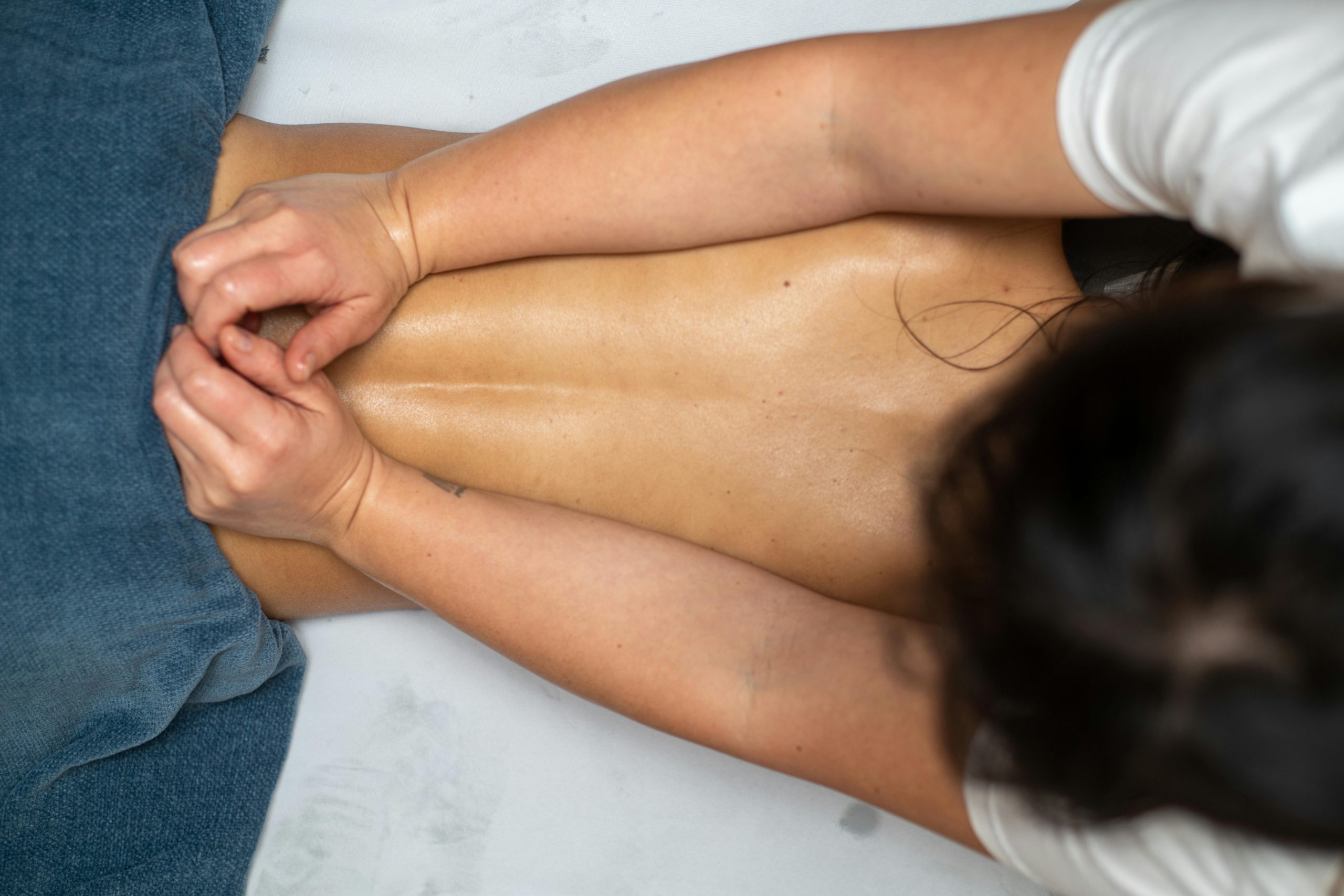
You are facedown on the table, breathing deeply, when suddenly – pop. Maybe it is subtle, like bubble wrap quietly giving way. Maybe it is a satisfying click that ripples through your shoulder blade and leaves your whole upper back feeling three inches lighter. Either way, your first instinct might be to ask: is that supposed to happen?
The short answer is yes, and the longer answer is genuinely fascinating. Understanding what is actually going on beneath your skin can transform the way you experience – and sports massage vs deep tissue benefits from – every session on the table.
The Science Behind the Pop: What Is Your Body Releasing?
The popping sensation during a muscle recovery massage is most often your fascia – the web-like connective tissue that wraps every muscle, nerve, and organ – finally letting go of adhesions it has been holding for months.
Think of fascia like plastic wrap layered over your muscles. When it is healthy and hydrated, each layer glides smoothly over the one beneath it. But repetitive movement, long hours at a desk, hard training sessions, or even chronic stress can cause those layers to dry out and stick together like two pieces of tape pressed palm-to-palm. When a skilled therapist applies sustained, targeted pressure, those stuck layers peel apart – and that separation is often what you are hearing and feeling.
There is also the phenomenon of cavitation, which is the same mechanism behind cracking your knuckles. Your joints are cushioned by synovial fluid, a slippery lubricant that contains dissolved gases like carbon dioxide, oxygen, and nitrogen. When the joint is stretched or manipulated, pressure drops rapidly inside the joint capsule, those gases form a tiny bubble – and then it collapses with a pop. Research published in PLOS ONE using real-time MRI confirmed this exact process, debunking the old myth that cracking knuckles causes arthritis.
The Three Most Common Causes of Popping During Massage
- Fascial adhesion release: Stuck connective tissue layers separating – the most common cause and often the most satisfying.
- Gas bubble shift in soft tissue: Dissolved carbon dioxide briefly moving through muscle and fascia under applied pressure, producing a gentle, muffled pop.
- Joint cavitation: A rapid pressure change inside the synovial fluid that forms and collapses a tiny gas pocket – similar to what a chiropractor produces intentionally.
- Tendon flick: A tight tendon sliding over a bony surface or ridge and snapping back into place, especially common near the shoulder, hip, or knee.
- Neuromuscular release: A muscle that has been holding chronic tension finally relaxes, producing a subtle flick or twitch as the nervous system lets its guard down.
It is worth noting what a pop does not mean. It does not mean the therapist “broke up” a knot – muscle fibers cannot be broken apart by pressure. It does not mean the massage worked better than a quieter session would have. And it definitely does not mean something went wrong. As the science makes clear, release can happen in total silence, too. The pop is a side effect, not the goal.
Quick Reference: What That Sound Probably Means
| Sound / Sensation | Most Likely Cause | Is It Normal? | When to Pause |
| Soft pop or click | Fascial layers separating | Yes – very common | Only if painful |
| Bubble-wrap crunch | Fascial adhesions releasing | Yes – often satisfying | Rarely |
| Joint crack (audible) | Gas cavitation (synovial) | Usually harmless | If sharp pain follows |
| Tendon snap | Tendon sliding over bone | Generally harmless | If recurring or sore |
| Grinding / grating | Possible joint degeneration | Needs evaluation | Yes – tell therapist |
Note: Grinding, grating, or any pop accompanied by sharp or lingering pain is worth mentioning to your therapist right away so they can adjust their technique or refer you to an appropriate specialist.
Why Elite Athletes Are Adding Massage Therapy
Professional athletes are not booking massages just to relax – they are using it as a performance and recovery tool that research now firmly backs.
A 2025 randomized controlled trial published in the International Journal of Therapeutic Massage and Bodywork followed 150 athletes across team, strength, endurance, and individual sports. Each athlete received bi-weekly 40-minute deep tissue sessions for eight weeks. The results were striking: team and strength athletes showed the greatest performance gains, bi-weekly sessions outperformed less frequent schedules for recovery outcomes, and longer sessions produced measurably better flexibility improvements – particularly in the lumbar region, knees, and shoulders.
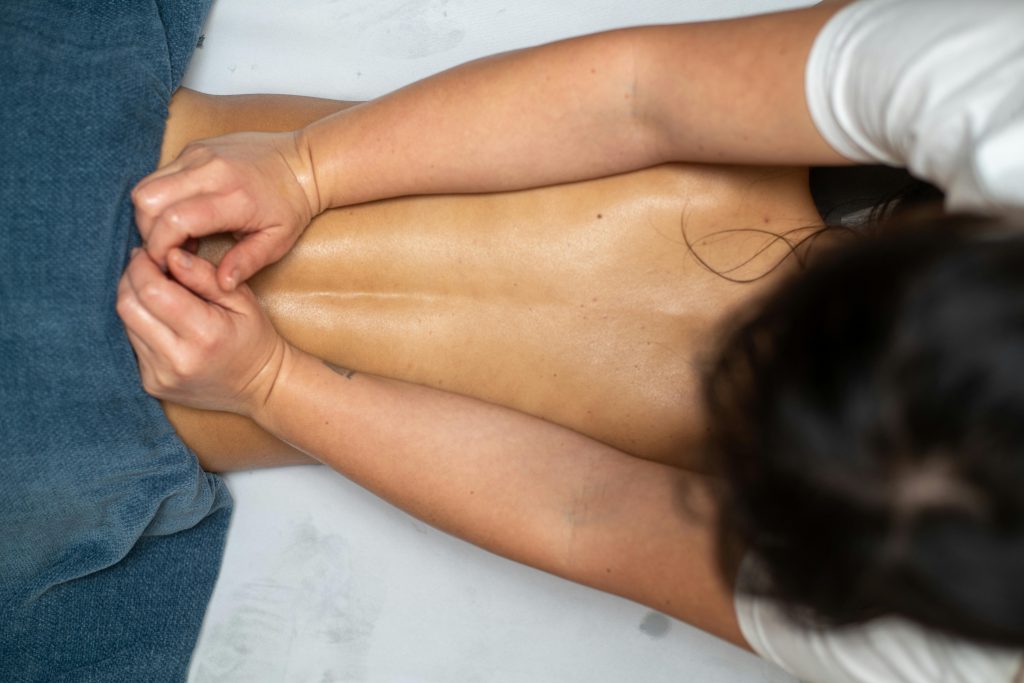
The U.S. Ski and Snowboard team’s senior director of medical operations put it plainly: recovery massage for athletes has been part of their athletes’ protocols “for a long time,” and evolving research continues to validate it. Sports performance specialist Adam Cardona, who has developed recovery protocols across 12 different sports, notes that the micro-tears created during intense training only become performance gains if the recovery side of the equation is honored: “There is truth to ‘no pain, no gain,’ but the pain has to be matched with recovery to make those gains.”
What the Research Says About Massage and Recovery
- Reduced DOMS: Post-exercise massage for bodybuilding and athletes consistently reduces delayed-onset muscle soreness, helping athletes return to training sooner.
- Improved circulation: Massage promotes blood flow, reduces DOMs, accelerating delivery of oxygen and nutrients to healing muscle fibers.
- Enhanced flexibility: Regular sessions improve range of motion in key joints – critical for both performance and injury prevention.
- Lower cortisol, better focus: Massage reduces the stress hormone cortisol, which supports mental clarity and better sleep quality during high-load training cycles.
- Injury prevention: Identifying and addressing muscular imbalances before they become injuries is one of the most underrated benefits of a consistent massage schedule.
At Five Diamond Fitness & Wellness, this is precisely the philosophy behind the massage therapy program. Just as the site’s blog on holistic fitness notes, “the gym is no longer just a place to break a sweat” – it is a complete wellness ecosystem. Integrating massage alongside personal training and nutrition coaching mirrors exactly what elite sports programs do: treat recovery as a non-negotiable pillar of performance, not an optional luxury.
FAQ: Why Massage Therapy Belongs in Your Weekly Recovery Stack
Q: How often should I get a massage if I train regularly?
For moderate training loads, once a month provides solid maintenance. If you are lifting heavy or training multiple days per week, bi-weekly sessions – as supported by the 2025 IJTMB study – produce noticeably better recovery outcomes. Your Five Diamond therapist can help you design a schedule around your specific program.
Q: Should I get a massage before or after a hard workout?
Post-workout is usually the sweet spot for deep tissue or sports massage, since muscles are warm and the work targets recovery. Light Swedish massage before an event can aid circulation and warm-up readiness. For competition prep specifically, sports performance experts recommend deep structural work several days out, with only light recovery-style massage in the 24–48 hours immediately before.
Q: Is the popping during a sports massage a sign it is working?
It is a sign that something released – fascia separated, gas shifted, or a muscle let go – but it is not a required marker of effectiveness. Many of the most meaningful changes in tissue tension happen completely silently. Focus on how your body feels during and after the session, not on how noisy it was.
What to Do Before, During, and After a Massage for Maximum Benefit
Getting the most from every massage session starts before you even walk through the door – and the choices you make afterward are just as important as the hour on the table.
Hydration is the single most impactful thing you can do to set your session up for success. Fascia is largely water. When you are well-hydrated, the connective tissue is more pliable, the layers separate more easily, and the kind of satisfying fascial release that produces that pop is far more accessible. Dehydrated tissue is stiff, sticky, and more resistant – meaning your therapist has to work harder for smaller results.
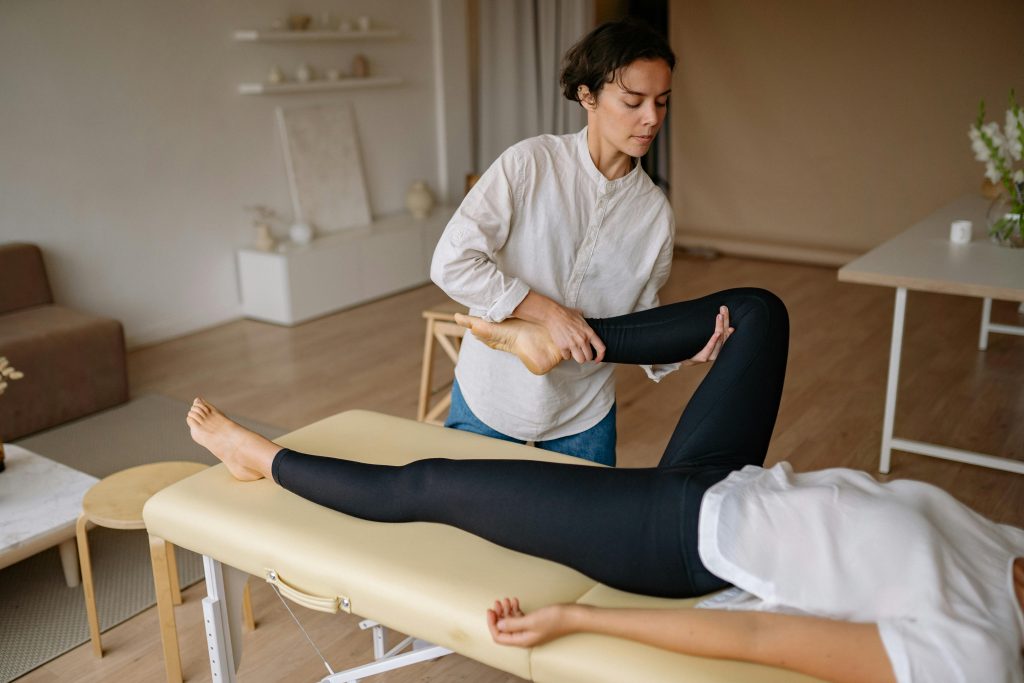
During the session itself, communication is everything. If a therapist applies pressure that tips from productive discomfort into sharp pain, speak up immediately. Effective massage lives in the zone where you feel the work without tensing against it – the moment you brace, the muscle guards, and the therapeutic effect diminishes. Breathe slowly and deliberately through any intense pressure points, especially in the upper back, glutes, and shoulder blades where fascial adhesions cluster most commonly.
Your Pre- and Post-Session Checklist
- Before: Drink at least 16–20 oz of water in the hour prior. Eat a light meal – not a heavy one – 60–90 minutes beforehand.
- Before: Let your therapist know about any recent injuries, surgeries, or areas of concern so they can tailor the session.
- During: Breathe deeply and surrender the weight of each limb to your therapist’s hands – active relaxation is a skill worth practicing.
- During: Mention any pop, click, or sensation that feels sharp or unusual rather than simply satisfying.
- After: Drink water generously for the next several hours to flush metabolic waste that massage mobilizes from the tissues.
- After: Expect mild soreness 12–24 hours post-session, especially after deep tissue work – this is normal and resolves quickly.
- After: Avoid intense training in the 12–24 hours following a deep session; your body is actively repairing and integrating the work.
If you are pairing massage with the personal training and nutrition coaching programs at Five Diamond Fitness & Wellness, think of the three as a triangle: training creates the stimulus, nutrition provides the raw materials, and massage clears the debris and rebuilds the architecture. Remove any one side and the triangle loses its strength.
Ready to Feel the Difference?
Book Your Massage at Five Diamond Fitness & Wellness
Whether you are chasing peak athletic performance, recovering from a brutal week, or simply ready to give your body the reset it deserves, the massage therapy team at Five Diamond Fitness & Wellness in Farmers Branch, TX is here for you. Our certified therapists specialize in Swedish, deep tissue, and hot stone massage – all tailored to your goals, your timeline, and your body’s unique needs.
Book your massage therapy session online, call us at 972-919-0776, or reach out directly at info@fivediamondfitness.com. Your next level of wellness is one session away.
Frequently Asked Questions
1. What is fascia and why does it pop during massage?
Fascia is a continuous web of connective tissue that surrounds and binds every muscle, bone, nerve, and organ in your body. When fascia becomes dehydrated, stressed, or inactive, adjacent layers can stick together into what are called adhesions. When a massage therapist applies sustained pressure, those stuck layers separate – and that separation often produces a soft pop or click. Think of it like peeling two pieces of wet tape apart slowly. Pop is simply the sound of separation.
2. What are myofascial trigger points (muscle knots)?
Myofascial trigger points – commonly called muscle knots – are small, hyper-sensitive areas within a muscle or its surrounding fascia where the fibers have contracted and become stuck in a shortened state. The nervous system keeps these zones in a guarded, protective state, which is why they feel dense and tender under pressure. They develop from overtraining, poor posture, repetitive movement patterns, stress, and inadequate recovery. Massage targets these points with sustained compression, helping the nervous system release its grip and restore normal blood flow to the area.
3. What is joint cavitation?
Joint cavitation is the scientific term for the popping sound that happens when gas is rapidly released from synovial fluid – the lubricating liquid inside your joint capsules. When a joint is stretched or manipulated, the pressure inside the capsule drops suddenly, causing dissolved gases (primarily carbon dioxide) to form a gas cavity. That cavity collapses with the characteristic pop you hear. A landmark real-time MRI study published in PLOS ONE confirmed this mechanism definitively. Cavitation is generally painless and harmless, and it is the same process behind cracking your knuckles.
4. What is crepitus?
Crepitus is the medical term – from the Latin word meaning ‘to rattle’ – for any audible noise a joint makes during movement or manipulation, including popping, clicking, snapping, grinding, and grating. Soft crepitus (pops and clicks without pain) is extremely common and generally harmless at any age. Hard crepitus – a grinding or bone-on-bone sensation – can signal joint degeneration, worn cartilage, or arthritis and warrants evaluation by a healthcare professional.
5. What is delayed-onset muscle soreness (DOMS) and can massage help?
Delayed-onset muscle soreness (DOMS) is the aching, stiffness, and tenderness you feel 12–48 hours after intense or unfamiliar exercise. It is caused by microscopic tears in muscle fibers that trigger an inflammatory repair response. Research consistently shows that massage reduces the severity and duration of DOMS by improving circulation (bringing in oxygen and nutrients), reducing inflammatory markers, and helping the nervous system downregulate its pain response. A 2025 randomized controlled trial found bi-weekly deep tissue massage sessions over eight weeks produced significantly better recovery outcomes for athletes compared to less frequent schedules.

Heather Cavanaugh is a fitness and wellness writer specializing in nutrition, training, and everyday healthy living. She writes for Five Diamond Fitness & Wellness, a boutique fitness and wellness studio in Farmers Branch, TX, where she turns the expertise of the studio’s trainers, registered dietitian nutritionist, and licensed massage therapist into practical advice readers can actually use. Her writing focuses on cutting through fitness fads to what genuinely works – sustainable nutrition, smart training, and recovery that’s treated as part of the plan.